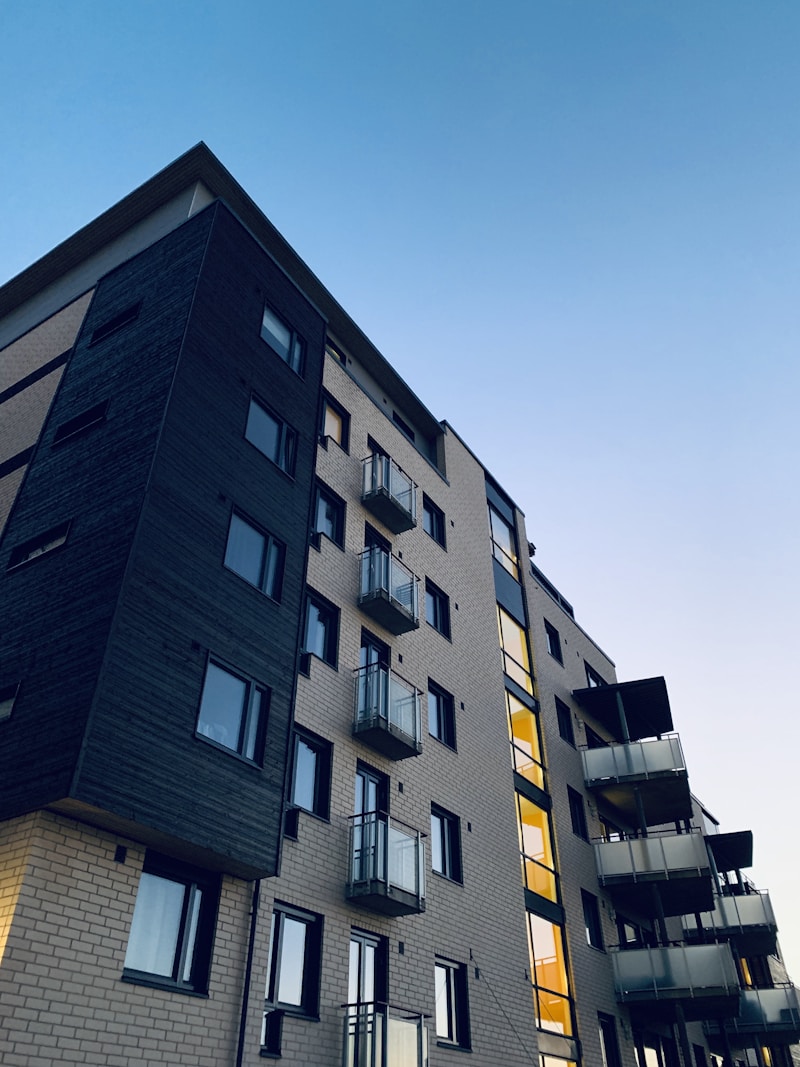
Green Building Design and Energy Efficiency Analysis
Sustainable building design incorporating passive cooling, natural lighting, and renewable energy systems. The project includes energy modeling, cost-benefit analysis, and comparison with conventional construction methods.

Smart Traffic Management System Design
Development of an intelligent traffic control system using sensor networks and adaptive signal timing. The project aims to reduce congestion, minimize delays, and improve traffic flow in urban intersections.

Soil Stabilization Techniques for Weak Foundation Soils
Investigation of various soil stabilization methods including lime treatment, cement grouting, and chemical stabilization. Laboratory testing and field trials demonstrate effectiveness in improving bearing capacity and reducing settlement.

Stormwater Management System for Urban Areas
Design of sustainable drainage systems (SuDS) to manage urban runoff and reduce flooding risks. The project includes hydrological analysis, detention pond sizing, and integration of green infrastructure solutions.

Highway Pavement Design and Cost Analysis
Development of optimal pavement design for high-traffic highways including material selection, thickness determination, and life-cycle cost analysis. The project compares flexible and rigid pavement options for local climatic conditions.
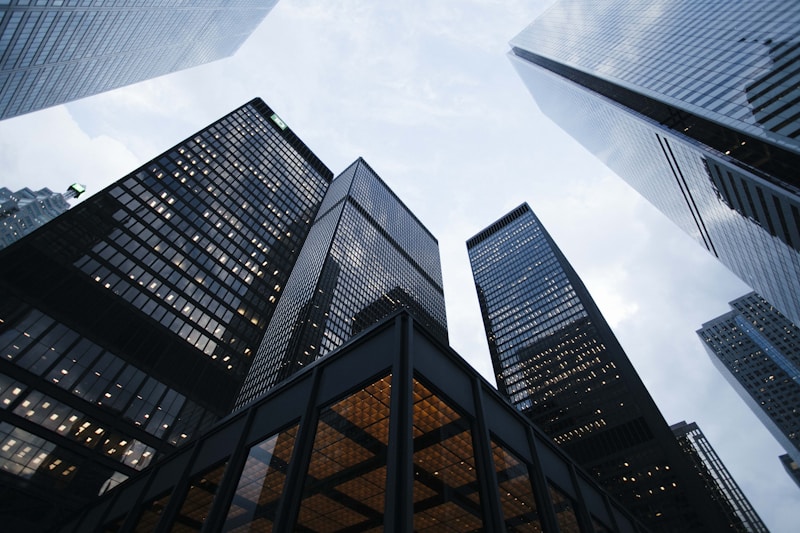
Seismic Analysis of Multi-Storey Buildings
Comprehensive seismic assessment and retrofitting strategies for existing multi-storey structures. The study uses advanced finite element modeling to evaluate building response to earthquake loads and propose cost-effective strengthening measures.
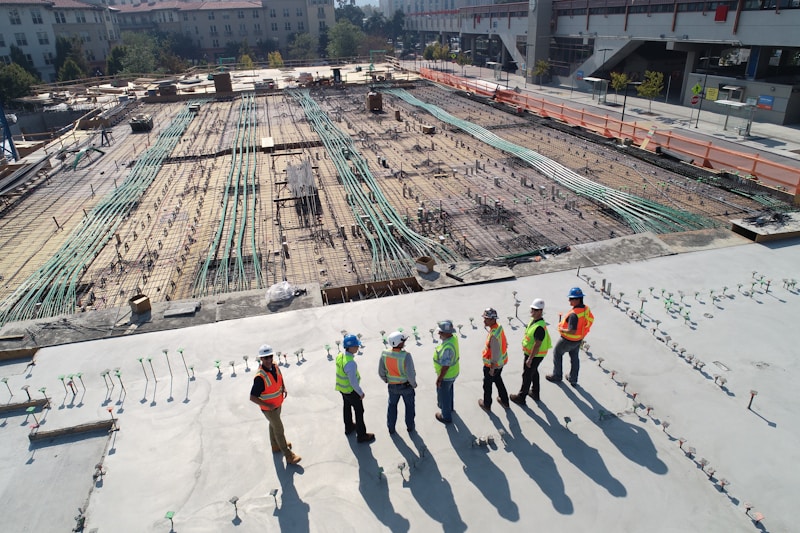
Water Supply System Optimization for Rural Communities
Design and implementation of an efficient water distribution network for rural areas. The project includes hydraulic modeling, pipe sizing, and pump selection to ensure reliable water supply with minimal energy consumption.

Sustainable Bridge Design Using Recycled Materials
Development of an eco-friendly bridge design incorporating recycled plastic and composite materials. This project explores cost-effective and sustainable alternatives to traditional construction materials while maintaining structural integrity and safety standards.